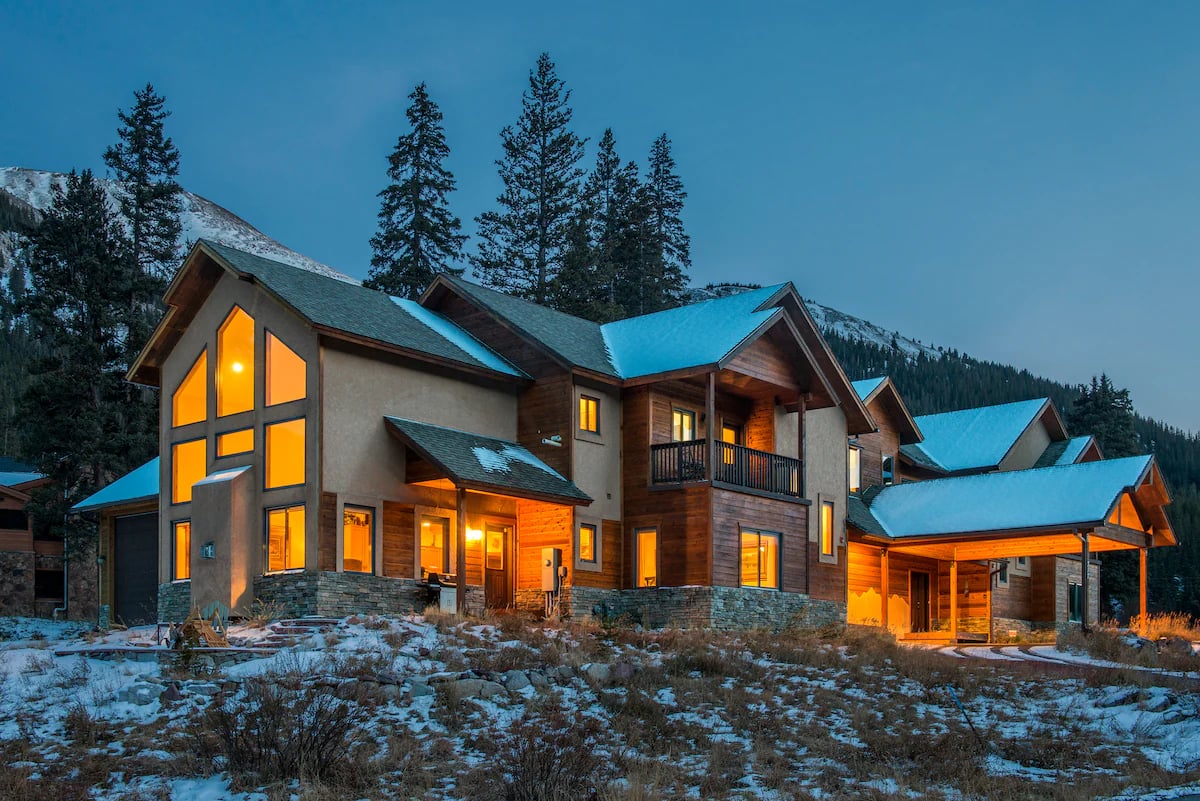
Blue River has long appealed to buyers who want privacy, wooded surroundings, mountain views, and quick access to Breckenridge without living in the middle of town. For many second home buyers, renting the home while they are away has also been part of the plan.
That part of the plan now needs much closer attention. The Town of Blue River spent much of 2026 rewriting its short term rental program, and it paused new licenses while it did. The most important point for buyers is simple: a home that has operated as a short term rental is not necessarily eligible to keep operating as one after it sells.
Here is what buyers and sellers should understand before they enter a Blue River transaction.
First, Is the Property Actually Inside the Town of Blue River?
Before you evaluate rental eligibility, confirm the property’s jurisdiction. Locals often use the Blue River name for a much larger area than the incorporated town. A home can have a Blue River or Breckenridge mailing address, show up in a Blue River home search, or be marketed as “near Blue River” without being inside town limits.
Homes in this area generally fall into one of three groups:
- Inside the Town of Blue River. The town licenses short term rentals, and owners do not also need a Summit County license.
- In unincorporated Summit County. Summit County’s own licensing program, caps, and license types apply.
- Inside the Town of Breckenridge. Breckenridge’s licensing rules apply.
The town even reminds owners to make sure their rental listings show Blue River rather than Breckenridge, which shows how often the address and the jurisdiction don’t match.
How to verify a property’s jurisdiction
- Open the Summit County Geographic Information System (GIS) map.
- Search for the property’s street address or parcel.
- Find the jurisdiction listed for that parcel.
- Confirm the result directly with the Town of Blue River or Summit County before relying on it for a purchase decision.
Is Blue River Still Accepting Short Term Rental Applications?
Not right now, except for any exception the town specifically approves.
On May 19, 2026, the Board of Trustees unanimously approved an emergency moratorium. It runs through December 31, 2026, and during that time the town is not accepting new short term rental license applications or renewals of lapsed licenses. Town officials cited compliance problems: at the time of the vote, they counted about 210 licensed short term rentals but knew of roughly 230 operating within town limits.
The moratorium did not shut down homes that already held a valid 2026 license and were operating in compliance.
Owning a home does not by itself let you rent it out. Advertising or operating an unlicensed short term rental in town is prohibited, so a buyer closing before the moratorium ends should not plan to list the home on Airbnb or VRBO right away.
What Has the Town Approved, and What Is Still Pending?
The trustees approved a broad overhaul on first reading on October 20, 2026, and scheduled the second reading for November 17. A first reading vote is not final adoption. The adopted language and its effective date decide what owners may actually do.
The November 17 agenda also included two related items. One would let a specific class of property owners apply for licenses despite the moratorium. The other would set a penalty schedule for violations. These are separate from the main overhaul.
As presented to trustees, the overhaul includes:
1. A limit of 175 rental nights per year
Each license would be capped at 175 rented nights per license year. The license year would run from May 1 through April 30. Buyers should build this cap into any income analysis rather than assume the home can be rented whenever the owner isn’t using it.
2. A three night minimum stay
Every reservation would need to be at least three nights. Homes that relied on one and two night weekend stays could see different booking patterns, so past booking data may not reflect what the home can do under the new rules.
3. Occupancy of two guests per bedroom
The current town rule allows two people per bedroom plus two more. The proposal would remove the extra two:
- A two bedroom home would sleep four.
- A three bedroom home would sleep six.
- A four bedroom home would sleep eight.
The official bedroom count matters. The town may use County Assessor records, permit records, and septic or sewer capacity to set it, so don’t assume every room marketed as a bedroom will count.
4. A 20 percent license cap in each of six zones
The town would be divided into six geographic short term rental zones. Licenses in each zone would be capped at 20 percent of eligible properties. Existing licenses would be exempt from the caps, but as reported, that exemption would not pass to a buyer. Even a home that meets every physical requirement may not qualify for a license if its zone is full. Ask the town for the official zone map, confirm the home’s zone, and ask whether that zone has room for new licenses.
5. A new licensing schedule
The framework moves to two year licenses beginning May 1, 2027. The materials presented to trustees describe a renewal window of January 1 through March 31 in odd numbered years. They describe a window for new license applications from August 1 through September 30 in odd numbered years, starting in 2027 and subject to the zone caps. If a buyer closes outside an application window, they may have to wait to apply. The end of the moratorium does not by itself open the door to an immediate license.
6. Tougher penalties
Reported proposals include fines of up to $1,000 per day and license bans of up to seven years for certain violations. Two examples: renting without a license could bring $1,000 per day and a five year ban on applying, and each night over the 175 night cap could cost $1,000.
Until the town publishes the adopted ordinance and the November 17 actions, treat these as the direction the town is heading, not as final rules.
Does an Existing License Transfer to a New Owner?
No. This may be the single most important point in a Blue River purchase.
The town’s code says plainly that short term rental licenses are nontransferable. A change of ownership voids the existing license, and the new owner must apply for one of their own. The town’s application page says the same thing.
That holds even when:
- The home has rented successfully for years.
- The seller has an active license.
- The home is currently listed on Airbnb or VRBO.
- The seller provides rental statements.
- A vacation rental manager is already in place.
Some narrow exceptions may exist for certain family or estate transfers. Review those with the town and your attorney rather than assuming one applies to an ordinary sale.
How the Rules Could Affect a Buyer’s Offer
The real question is not whether a home has been rented before. It is whether you can legally use it the way you intend after closing.
Picture two buyers looking at the same Blue River home. The first wants a private mountain retreat for family use, and rental income would be a bonus. The second needs short term rental income to cover monthly ownership costs. If a license turns out to be unavailable, the first buyer still has a home they love. The second buyer may no longer have a purchase that works.
Before you submit an offer, ask yourself:
- Does the purchase still work financially without short term rental income?
- Has the town confirmed the home’s licensing eligibility in writing?
- Does the contract give you enough time to investigate rental restrictions?
- Have you reviewed the HOA documents and the town’s requirements?
- Do your income assumptions reflect the rules that will apply after closing, including the night cap, the minimum stay, and the occupancy limit?
- Will your lender count projected rental income, and what documentation will it require?
Structure the contract around your intended use, and talk through contingencies and deadlines with your broker and your attorney.
Blue River Short Term Rental Verification Sheet
Property and jurisdiction
- What is the legal address and parcel number?
- Is the home inside the incorporated Town of Blue River?
- Which of the six short term rental zones is it in?
Current license status
- Does the home have a valid license, and what is the license number?
- When does it expire? (Current town licenses expire December 31 each year.)
- Has the town issued any violation notices, suspensions, or other enforcement actions?
- Are there outstanding fees, lodging taxes, or compliance issues?
Future eligibility
- Will a new owner be able to apply, and when is the next application window?
- Has the town confirmed whether the zone has reached its cap?
- Does any adopted exception apply to this buyer or this home?
- Do you already hold, or have an interest in, another Blue River license?
Property and ownership restrictions
- Do HOA declarations or recorded covenants allow short term rentals, and are they stricter than the town’s rules?
- Does the official bedroom count support your intended occupancy?
- Does the parking meet town requirements?
- Are there building, fire safety, or insurance items to address?
Financial assumptions
- Does the price make sense without short term rental income?
- Have you looked at past rental statements separately from projected future income?
- Have you accounted for management fees, utilities, insurance, property taxes, HOA dues, maintenance, and lodging taxes?
Our Complete Guide to Buying a Colorado Ski Home goes deeper on rental restrictions, ownership costs, HOA documents, and due diligence throughout Summit County.
What the New Rules Mean for Blue River Sellers
A well run rental can still be a selling point. Rental history shows demand, good upkeep, and how well the home works as a getaway. Because the license doesn’t transfer, though, sellers need to be careful about how they describe the home’s rental future.
Be ready to separate:
- How the home performed under the previous rules.
- The home’s current license status and expiration date.
- The restrictions that apply to you for the rest of your ownership.
- The buyer’s own ability to get a new license.
- The home’s appeal as a long term rental (30 days or more) or a personal mountain residence.
Also decide early how you will handle reservations that fall after closing. Presenting these points clearly builds trust with buyers and reduces surprises during negotiation.
Can You Still Own a Blue River Home Without Renting It Short Term?
Absolutely. Blue River offers a quieter residential setting, forested lots, big views, and quick access to skiing, dining, and year round recreation in Breckenridge. For many buyers that combination is the whole point.
If you are buying mainly for personal use, the rental rules may matter less to your decision. If you are counting on rental income to offset costs, the licensing rules need to be a central part of your analysis. Those two goals point to different properties, so start with the one that matters most to you.
Frequently Asked Questions About Blue River Short Term Rentals
Can I buy a Blue River home that already has a short term rental license?
Yes, but the license does not transfer. A change of ownership voids it, and you must qualify for a new one on your own.
Can I apply for a new license during the moratorium?
Not unless an adopted exception applies to you. The moratorium runs through December 31, 2026, and the new framework sets future application windows. Confirm the timing with the town before you buy.
Can I rent my Blue River home for 30 days or longer?
The town’s short term rental rules cover stays of fewer than 30 consecutive days. Longer rentals fall outside the short term license requirement, but HOA rules may still apply.
Do these rules apply to every home with a Blue River mailing address?
No. They apply only inside the incorporated Town of Blue River. Homes outside town limits fall under Summit County or another jurisdiction.
Will a home with a rental history qualify for a new license?
Not automatically. Past rentals don’t establish future eligibility. A buyer has to meet the requirements that apply to the new ownership, including any zone cap and application window.
Keep Exploring
- Selling a Summit County Vacation Rental: What Happens to Bookings, Deposits and the STR License? explains how licenses and reservations are handled at closing in towns across Summit County.
- Our Breckenridge community guide covers the town just north of Blue River.
- The Colorado Ski Town Collective YouTube channel has practical videos on buying and owning a ski home in Summit County.
Buying or Selling in Blue River? Start With the Right Information.
Blue River’s changing rules make property specific due diligence more important than ever. For buyers, that means knowing exactly which jurisdiction governs the home and whether your plans are realistic under the rules that will apply. For sellers, it means presenting the home’s history and license status accurately without promising a rental future the next owner may not be able to get.
If you are considering a Blue River purchase or sale, contact Colorado Ski Town Collective with LIV Sotheby’s International Realty for a property specific purchase plan review. We will help you confirm jurisdiction, license status, zone, and timing so your offer or listing rests on facts.
The information in this blog is provided for general guidance and reflects the sources available at the time of writing. Market conditions, pricing, regulations, HOA policies, and rental rules may change. Please independently verify details with the appropriate local authorities and professionals before making real estate decisions. This content is not legal, tax, or financial advice.
