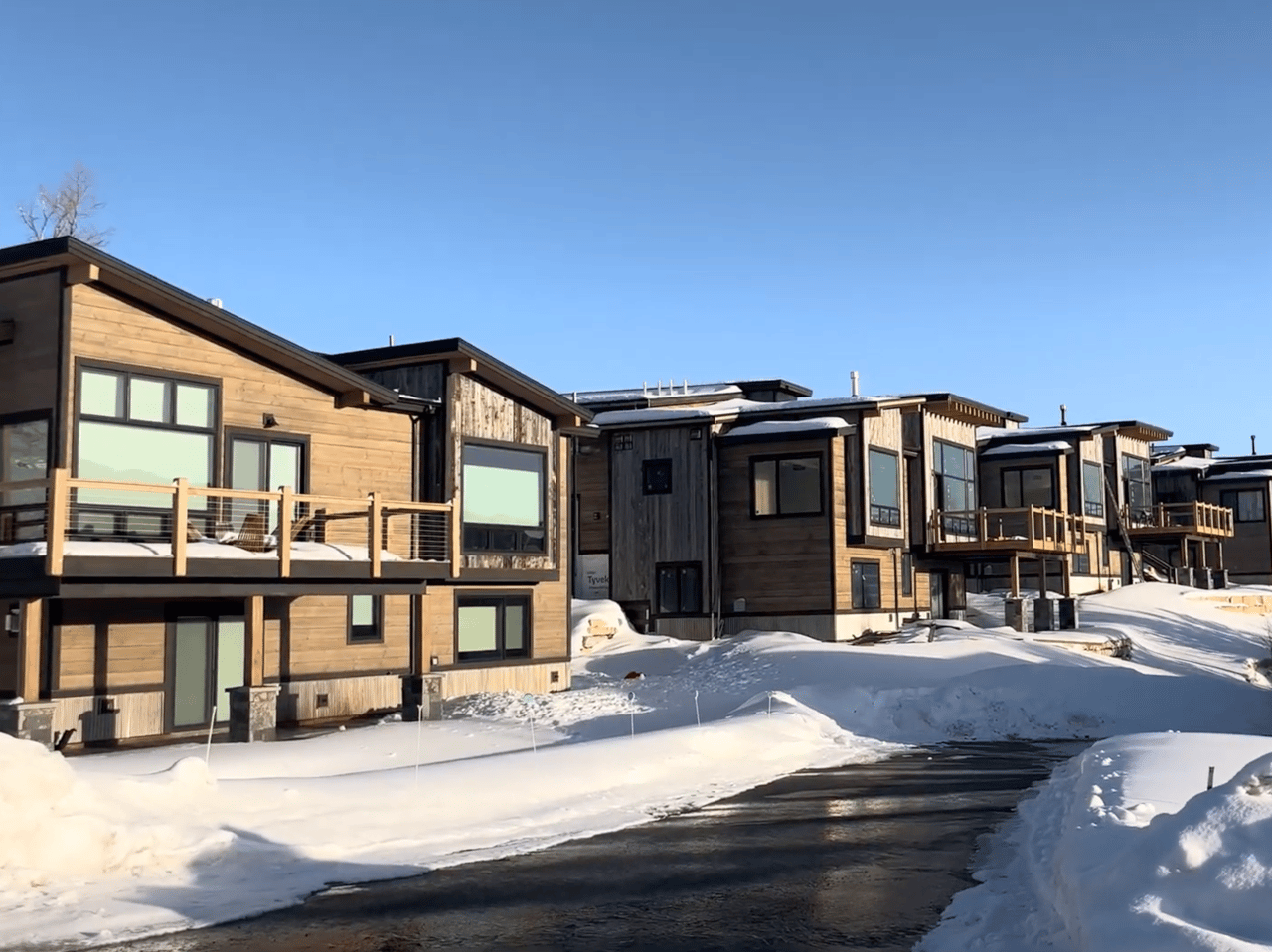
Picture a Breckenridge condo with a full ski season calendar. The family coming for Presidents’ Day has already paid. A spring break group has put down a deposit. Then the owner decides to sell, a good offer arrives, and the buyer asks a fair question: “Do the bookings and the rental license come with it?”
In most of Summit County, the honest answer is “not automatically.” Selling a vacation rental involves more than finding a buyer and agreeing on a price. If your Breckenridge condo, Frisco townhome, Keystone property or mountain home runs as an established short term rental, the sale needs careful coordination among five parties: the seller, the buyer, the property manager, the guests and the local licensing authority.
With the right preparation, you can give buyers clarity, protect your guests and avoid surprises late in the transaction. Here is what to know before you list.
First, Confirm Which STR Rules Apply to Your Exact Address
Summit County does not have one countywide short term rental program. Breckenridge, Frisco, Dillon, Silverthorne and Keystone each regulate rentals within their own town boundaries. Properties outside town limits fall under unincorporated Summit County’s rules, which have their own license types, caps and requirements.
Mailing addresses can mislead you here:
- A Dillon mailing address does not necessarily mean the property is in the Town of Dillon. Neighborhoods such as Dillon Valley and Summit Cove may be in unincorporated Summit County.
- A Silverthorne mailing address may also belong to a county parcel.
- Some homes with Breckenridge addresses are actually in unincorporated Summit County or in the Town of Blue River, which runs its own licensing program.
Before you make any decisions about an existing license, confirm the following:
- The property’s actual jurisdiction, using the Summit County Assessor’s GIS parcel search
- The current license type, status and expiration date
- Whether the jurisdiction allows licenses to transfer
- Whether a new owner can apply for a license, and whether caps or waitlists apply
- Whether the homeowners association permits short term rentals, and under what conditions
We put this step first with every rental property seller and buyer we work with. Everything else depends on it.
Does an STR License Transfer When You Sell?
In most ordinary sales throughout Summit County, sellers should expect their license to end rather than pass to the buyer. The details depend on where the property sits.
Breckenridge
The Town of Breckenridge requires an accommodation unit license for any stay shorter than 30 consecutive days. The town states that licenses are nontransferable and nonrefundable when a property sells.
Breckenridge divides the town into licensing zones, and each zone has its own cap. Some zones currently use waitlists. Only a current deed holder can apply for a license or join a waitlist, so a buyer cannot get in line before closing.
One provision matters a great deal to sellers with a busy calendar. After title transfers, the new owner may request a temporary license of up to six months to honor reservations that existed on the date of transfer. The temporary license covers only reservations made before the sale. The new owner must apply for it on forms provided by the town. It expires six months from the deed date, and the temporary licensee may not advertise the property for rent.
Official resource: Town of Breckenridge Short Term Rental Licenses
Frisco
Frisco caps short term rental licenses at 25 percent of its residential housing stock. The town reached that cap in February 2023 and now uses a waitlist. Applicants in 2023 and 2024 waited roughly twelve to fourteen months, and the town says the current wait time is unknown.
Frisco licenses are not transferable. When a property sells, the seller closes the existing account. A buyer who wants a license generally goes through the waitlist. Frisco also notes that if the owner name or address on a waitlist registration changes, the applicant loses their place in line.
Official resource: Town of Frisco STR License Application and Waitlist
Dillon
Town of Dillon licenses are nontransferable, so a buyer must apply for a new license. The town currently lists the license fee as $700, and all licenses expire on May 31 each year. The property owner must be a registered user on the licensing account before the town will approve an application.
Official resource: Town of Dillon Short Term Rental Regulations
Silverthorne
Silverthorne states that its licenses are not transferable or refundable when a property sells, and the town has a license cap. Hiring a property manager does not remove the owner’s responsibility for licensing.
Official resource: Town of Silverthorne Short Term Rental Licenses
Keystone
The Town of Keystone took over short term rental licensing within its boundaries in October 2024. Each change in ownership requires a new license, apart from limited exempt transfers such as transfers into the grantor’s own trust, transfers by reason of death, or court orders. New owners who think their transfer may qualify must contact the Town Clerk before the transfer or within 30 days after it.
The town lists its license fee at $285 and reports no cap on the number of licenses. A buyer still needs a new license, but the licensing picture is very different from Breckenridge or Frisco. HOA rules still apply, because a town license does not override private rental restrictions.
Official resource: Town of Keystone Short Term Rentals
Mapping the Handoff: Who Does What
A vacation rental sale involves five parties instead of two. When each one knows their role, the sale tends to run smoothly.
The seller provides a complete reservation schedule and decides, with the listing broker, whether to keep accepting bookings during the listing period. If so, the seller sets a cutoff date tied to the expected closing. After closing, the seller completes the licensing authority’s closeout steps.
The buyer confirms their licensing path during due diligence and decides whether to honor existing reservations, if the jurisdiction allows it. After closing, the buyer applies promptly for a new or temporary license.
The property manager holds the booking records and often the guest payments. The manager coordinates guest communication, relocations and refunds, and confirms what the management agreement requires if the property sells.
The guests need clear, early and honest communication about any change, and they need to know who their contact is after closing.
The town or county ends or closes the seller’s license, processes the buyer’s application or waitlist registration, and collects lodging and sales taxes from whichever party operated the rental on each stay date.
What Happens to Existing Vacation Rental Bookings?
A sale does not automatically settle obligations to guests. What happens depends on the reservation agreements, the management arrangement, the booking platform’s policies and the terms the buyer and seller negotiate.
Before you list, prepare a complete reservation report that shows:
- Every confirmed reservation, with arrival and departure dates
- Amounts already collected and balances still due
- Refundable security deposits
- Cancellation policies
- Cleaning and management fees
- Owner blocks and personal use dates
- The booking channel for each stay: Airbnb, Vrbo, the manager’s system or a direct booking
There are generally three ways to handle future bookings.
- The buyer honors existing reservations. This works when the buyer can legally operate after closing, for example through Breckenridge’s temporary license or by getting a new license quickly where one is available.
- The seller cancels or relocates reservations that fall after closing. This is the right path when the buyer cannot or does not want to host guests. Set a booking cutoff as soon as you list, and give guests as much notice as possible.
- A hybrid with a defined cutoff. For example, the buyer honors bookings through the end of ski season, and anything later is cancelled.
Whichever path you choose, the purchase agreement should say how existing reservations will be handled. It should also name who is responsible for guest communication, refunds, cancellation costs and related expenses. A written agreement is especially important when the closing date falls between confirmed stays.
What Happens to Guest Deposits and Rental Payments?
Guest funds deserve careful attention. They are not an incidental detail of the real estate transaction.
Suppose, for example, that a guest has paid $4,000 for a winter stay scheduled after closing. If the buyer agrees to honor that reservation, the purchase agreement or a separate written arrangement should say how those funds, any remaining balance and the related responsibilities will be transferred or credited.
The parties should distinguish between:
- Advance rental payments: money collected for a stay that has not happened yet
- Refundable security deposits: money held under the guest’s rental agreement and its refund conditions
- Cleaning and service fees: charges for services before, during or after a stay
- Management and platform fees: amounts owed to the manager or booking platform under their agreements
The closing statement should not assume that every dollar the seller collected belongs to the seller. Depending on the transaction, the parties may use credits, prorations, escrow arrangements or other accounting through the title company. These terms carry legal and tax consequences, so we recommend that both sides involve a real estate attorney and a tax professional who knows Colorado lodging taxes.
What Happens to the Property Management Agreement?
In Summit County, a property manager often handles reservations, guest communication, housekeeping, maintenance, emergency response and local compliance. The management agreement does not automatically end or transfer when the property sells.
Before you list, review your agreement for:
- Required termination notice and any early termination fees
- Outstanding management charges
- Responsibility for reservations that fall after closing
- Ownership of listing photographs and marketing materials
- Access to booking platform accounts
- Guest communication, cleaning and maintenance arrangements
Some managers will continue with a new owner, while others require a new agreement. The buyer should review the manager’s proposed services, fees and cancellation terms. If the buyer chooses a different manager, plan the transition so that no guest message is missed and no stay is double booked.
How to Prepare Your Vacation Rental for Sale
A well organized rental property is easier for buyers to evaluate. Start assembling documents before the home goes on the market.
1. Gather your rental history. Include booking reports, gross rental receipts, occupancy history, average nightly rates if available, owner use dates, and cleaning, management, maintenance and annual operating costs. Historical revenue is useful information. It should never be presented as a guarantee of future performance, and buyers should be able to tell actual receipts apart from projections.
2. Organize your licensing documents. Provide copies of the current license, renewal records and any correspondence with the licensing authority. Identify the exact jurisdiction and license type. If the buyer will need a new license, say so plainly. In Breckenridge, confirm the property’s licensing zone. In Frisco, disclose the waitlist situation. For properties outside town limits, confirm the county’s current licensing requirements for that specific parcel.
3. Review HOA documents. Look at rental restrictions, minimum stay rules, occupancy limits, parking, housekeeping policies, insurance requirements, current dues, reserve funding and any special assessments. A town or county license never overrides HOA restrictions.
4. Coordinate with your property manager. Ask for an updated reservation schedule, a current financial statement and a written explanation of what happens to future reservations if the property sells.
5. Work through the closing details. Once you are under contract, the seller, buyer, title company, property manager and legal advisors should confirm:
- The seller’s final date of rental operations
- The status of each future reservation
- How advance payments and deposits will be handled
- Whether the management agreement ends or is replaced
- Outstanding taxes and operating expenses
- The handover of keys, access codes and operating instructions
- Utility and service changes
- How the seller’s license will be closed and what the buyer must apply for
Follow your licensing authority’s closeout instructions. The Town of Frisco, for example, asks sellers to file and pay tax returns through their final month of rental activity, remove all listings and contact STR Support to close the account.
What Buyers Should Know Before Purchasing an Established Vacation Rental
A property with repeat guests, professional management and years of operating history can be appealing. Those benefits do not automatically come with the real estate. Before you write an offer, be clear about whether you are buying:
- A property with rental history but no guaranteed future license
- A property in a jurisdiction where a new license is generally available
- A property subject to caps or a waitlist
- A property whose HOA allows rentals only under specific conditions
If the home will be mainly a personal mountain retreat, its rental history may matter less. If you plan to rent it, licensing eligibility, operating costs and management arrangements become central to your decision.
For a broader look at the purchase process, our Complete Guide to Buying a Colorado Ski Home explains how to evaluate a mountain property and make an informed decision. You can also explore our community pages for Breckenridge, Frisco, Silverthorne, Dillon, Keystone and Copper Mountain.
Frequently Asked Questions
Does an STR license automatically transfer to the buyer?
No. In an ordinary sale, Breckenridge, Frisco, Dillon, Silverthorne, Keystone and unincorporated Summit County generally require the new owner to get a new license. Limited exceptions exist for certain transfers, such as some family, trust, inheritance or court ordered transfers, and they vary by jurisdiction.
Can I sell my property with future bookings on the calendar?
Yes, but they must be addressed in the purchase agreement and coordinated with the property manager, the booking platforms and the buyer. The buyer must also meet licensing and HOA requirements to host those guests. In Breckenridge, a new owner may request a temporary license of up to six months to honor reservations made before the sale.
Does the seller have to refund guests after selling?
Not in every case. Responsibility depends on the guest agreement, the platform’s terms, applicable law and any arrangement with the buyer. Set out in writing who is responsible for each future reservation and any refund.
Can a buyer join a license waitlist before closing?
In Breckenridge, no. Only a current deed holder can apply or join a waitlist. In Frisco, changing the owner name or address on a waitlist registration costs the applicant their place.
Can a buyer keep the same property management company?
Often, but not automatically. The buyer should review the manager’s services, fees and agreement terms before deciding.
Is a property with an existing STR license easier to sell?
Rental history can be valuable to a buyer, but it does not guarantee that the buyer will be able to get a license. Where caps or waitlists apply, buyers need to understand the rules before relying on past performance.
Should I sell before or after ski season?
There is no universal answer. Timing depends on your location, recent comparable sales, buyer demand and your reservation calendar. A thoughtful pricing and marketing plan accounts for both the real estate market and the property’s operating calendar.
Plan Your Rental Property Sale With Us
A successful vacation rental sale takes more than attractive photography and a compelling listing description. The strongest transactions start with a clear picture of the property’s rental history, licensing status, management agreement and guest commitments.
Colorado Ski Town Collective with LIV Sotheby’s International Realty works with buyers and sellers throughout Breckenridge, Frisco, Silverthorne, Dillon, Keystone and Copper Mountain. If you are thinking about selling a Summit County vacation rental, we will confirm the rules for your exact address, help you set a booking cutoff that fits your timeline and build a handoff plan before your home goes on the market. If you are buying, we will help you understand your licensing path before you write an offer.
Start with our home valuation page, or contact Colorado Ski Town Collective with LIV Sotheby’s International Realty to talk about your property.
For more local insight on buying, owning and selling in Summit County, visit our YouTube channel, Colorado Ski Town Collective, formerly Buying a Colorado Ski Home.
The information in this blog is provided for general guidance and reflects the sources available at the time of writing. Market conditions, pricing, regulations, HOA policies, and rental rules may change. Please independently verify details with the appropriate local authorities and professionals before making real estate decisions. This content is not legal, tax, or financial advice.
