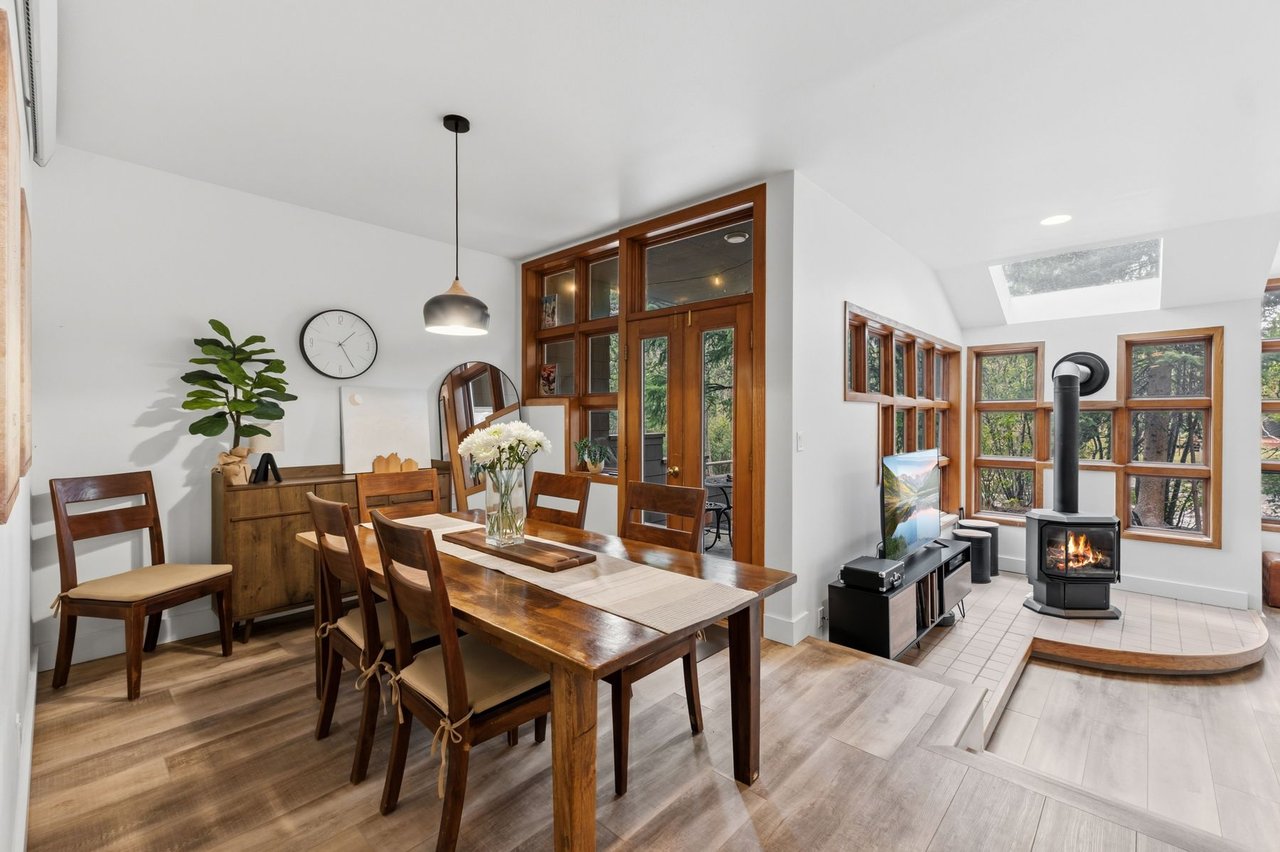
You can spend the morning in Summit County touring a newly finished townhome with spotless counters and an untouched garage, then spend the afternoon in an established condo a short walk from a lift. Both can be the right Colorado ski home. They are rarely right for the same buyer.
Choosing between new construction and resale in Summit County involves more than whether a home is new. It shapes when you can first use the property, how many decisions you make yourself, what your HOA looks like, whether you can rent the home, and how much you’ll spend to make it truly ready for the first powder day. Whether you’re searching in Breckenridge, Frisco, Silverthorne, Dillon, Keystone, or Copper Mountain, here is how we help buyers think it through.
New Construction and Resale: What’s the Difference?
New construction generally means a home or condominium that has recently been built or is being sold for the first time. Depending on the development, you may buy a completed residence, choose from available finishes, or reserve a home that is still under construction.
A resale property has been owned before. It may be a well maintained mountain home, a recently updated condo, or a property ready for improvements.
Neither option is automatically better. The right choice depends on the specific property, its price, its location, and how you plan to use it.
The Short Version
New construction often fits buyers who:
- Have a flexible timeline, especially for homes still being built
- Want modern systems, energy efficiency, and a builder warranty
- Enjoy choosing finishes and are comfortable making decisions on a deadline
- Care more about a contemporary layout than a specific established location
Resale often fits buyers who:
- Want to use the home this ski season
- Have a specific location in mind, especially near lifts, trails, or a town core
- Want to review an established HOA’s history before committing
- Need clear rental answers before they buy
Most buyers land somewhere in between, which is where the details below matter.
1. Timing: When Can You Actually Use the Home?
New construction. A completed new home can close as smoothly as a resale. A home still under construction is different. At elevations above 9,000 feet in much of Summit County, major exterior work is concentrated in the warmer months, and weather, labor, materials, and inspections can all push completion dates. Estimated completion dates in builder contracts are often estimates, not guarantees.
Before signing a contract for a home under construction, ask:
- What does the contract say about delays, and what remedies do you have?
- How large is the deposit, when does it become nonrefundable, and who holds it?
- How will your financing work if completion slips? Extending a rate lock can carry a cost.
- When will the home be appraised, and what happens if the appraisal comes in low?
Resale. Closing follows a schedule you and the seller negotiate, often within weeks. That said, the actual timeline still depends on financing, inspections, title work, and the seller’s circumstances, so a resale home isn’t automatically available sooner than a completed new build.
What to consider: If you want to be in the home for the holidays or spring skiing, compare actual closing and possession dates rather than assuming one type of property will be faster.
2. Warranties, Inspections, and Maintenance
New construction. Many builders offer a written warranty, but coverage varies widely. Read the warranty itself, not the marketing summary. Confirm what’s covered, for how long, what’s excluded, how claims are submitted, and whether the contract includes dispute resolution terms. Colorado law also sets time limits for construction defect claims, so a conversation with a real estate attorney is worthwhile for a significant purchase.
A new home still deserves independent inspections. We encourage buyers to consider one before drywall goes up, when framing, plumbing, and electrical work are still visible, and another before the final walkthrough. A thorough punch list at closing is far easier than chasing repairs after the builder’s crew has moved on.
Resale. Resale homes usually come without a builder warranty, though some buyers negotiate a home warranty as part of the purchase. What resale offers instead is a track record. You can learn how the roof has handled years of snow, whether ice dams have been an issue, how the heating system performs in January, and what has been repaired or replaced. Older roofs, boilers, windows, and decks may need attention sooner than those in a new home.
What to consider: Request maintenance records, review seller disclosures, test for radon (common in Colorado), and budget realistically for upkeep in a mountain environment.
3. Finish Choices and Personalization
New construction. Depending on the builder and construction stage, you may choose flooring, cabinetry, countertops, fixtures, and sometimes layout options. Keep in mind:
- Upgrades add up. Base prices often reflect standard finishes. Ask for a complete upgrade price list early.
- Decisions come with deadlines. Builders set selection cutoffs to keep the schedule moving, which second home owners should plan for when deciding from out of state.
- Customization isn’t guaranteed. Some projects offer limited selections, and completed homes offer none.
Resale. You can see exactly what you’re buying, including the layout, natural light, storage, views, and how the home sits on its site. The tradeoff is that the finishes may not match your taste. Remodeling in Summit County takes planning: contractor schedules can be tight, weather affects timelines, permits take time, and many HOAs require approval before exterior changes and sometimes interior work.
What to consider: Compare a new home’s price, including upgrades, with a resale home’s price plus the improvements you would realistically make.
4. HOA Structure and Ongoing Ownership Costs
HOAs are central to most Summit County condo and townhome purchases, and new and established associations can look very different.
New construction HOAs are often controlled by the developer at first, with control shifting to owners over time. Early budgets may rely on estimates rather than years of actual costs, and reserves are just beginning to build. Dues can change once the community is complete and owners take over. Ask how the budget was prepared, what the reserve plan looks like, and what happens at turnover.
Resale HOAs have a history you can review. Before your document deadline, look at:
- The current budget and reserve study
- Recent meeting minutes, which often reveal upcoming projects before they become assessments
- Past or planned special assessments
- The master insurance policy and what owners must insure themselves
- Rules on rentals, pets, parking, and exterior changes
In both cases, look closely at what dues cover. Snow removal, trash, exterior maintenance, insurance, internet, and amenities vary from community to community.
What to consider: Compare the full monthly and annual cost of ownership, not just the purchase price.
5. Landscaping, Snow, and Mountain Site Details
New construction may close before landscaping is finished, especially late in the building season. Ask whether the builder will complete it the following summer and whether funds will be held in escrow until it’s done. The growing season in the high country is short, so new plantings take time to fill in. Wildfire mitigation is also part of mountain landscaping, and defensible space requirements and best practices continue to evolve, so ask how the site plan addresses it. Look at roof design, where plowed snow will go, driveway slope and orientation, and whether heated surfaces are included.
Resale homes often offer mature trees, established patios, settled drainage, and a clear picture of how snow and sun move across the property. Established landscaping still requires care, and older properties may have drainage or ice buildup issues worth investigating.
What to consider: A summer showing may not reveal how the driveway, entry, deck, or roof performs in winter. Ask who handles snow removal, how shared driveways are maintained, and whether there are known drainage or snow accumulation concerns.
6. Location: Where Can New Construction Actually Happen?
Much of the land closest to lifts, trailheads, and walkable town centers in Summit County was developed decades ago. New construction tends to appear on infill lots, redevelopment sites, and parcels farther from the center of activity. That isn’t a drawback for every buyer. Some appealing views and values sit a short drive or shuttle ride away, and free transit such as Summit Stage and Breckenridge’s Free Ride can make a slightly farther location very practical.
Resale inventory often provides a wider range of established locations. If walking to a lift or to Main Street is the goal, resale may offer more choices.
Each town also has its own character. A home in Breckenridge offers a different mix of access, neighborhood feel, and daily convenience than one in Frisco, Silverthorne, Dillon, Keystone, or Copper Mountain.
What to consider: Think about how you’ll actually spend your days. A family driving to Keystone for ski lessons may care more about a heated garage than lift access. A couple who loves Frisco’s Main Street and the recreation path may prioritize walkability above all.
7. Rental Rules: Verify Before You Fall in Love
If renting is part of your plan, this may be the most important part of your due diligence. Short term rental rules depend on where the property sits. Breckenridge, Frisco, Silverthorne, Dillon, and unincorporated Summit County (which includes areas around Keystone and Copper Mountain) each set their own licensing requirements, and some limit the number of licenses or apply different rules in different zones. These regulations have changed several times in recent years.
HOA covenants can restrict or prohibit short term rentals regardless of what the town or county allows. Some newer developments also carry deed restrictions, such as homes reserved for local workforce occupancy, with their own eligibility and use requirements.
Before you buy, new or resale, confirm:
- The current licensing rules for that specific address
- Whether a license is available, and whether an existing license can continue after a sale
- What the HOA declaration and rules say about rentals
- Whether any deed restriction applies
What to consider: Don’t base a purchase on a seller’s past rental income or anyone’s projection. Rules, demand, and costs change, and your plan should hold up even if rental income doesn’t materialize as hoped.
8. The Premium for Move In Ready Condition
New construction can command a higher price than a comparable resale home, but there is no universal premium that applies to every Summit County property. The more useful comparison is the total cost of being ready for your first ski weekend.
New construction often closes unfurnished. Add furniture, window coverings, bedding, kitchen essentials, ski storage, and any landscaping the builder doesn’t include. For a second home, furnishing is a meaningful expense and a project of its own.
Resale homes in Summit County are frequently sold furnished, which can mean walking in with sheets on the beds and skis on the rack. A recently updated, well maintained resale home may command a premium of its own, while a dated one may be priced lower but need time and money to update.
When comparing prices, distinguish between asking prices and closed sale prices, since a list price doesn’t necessarily reflect what a buyer ultimately pays. For broader context, Land Title Guarantee Company’s Summit County market reports track recorded sales and market activity, and we’re glad to share current sold data for the specific town and property type you’re considering.
What to consider: Add up purchase price, furnishing, planned updates, HOA dues, and timeline for each option to create a true side by side comparison.
Which Option Is Right for You?
New construction may be the better fit if you have time, want modern systems and a warranty, enjoy personalizing, and are comfortable with a newer HOA and possibly a location slightly farther from the center of activity.
Resale may be the better fit if you want to use the home soon, have a specific location in mind, value an HOA with a track record, or want to see the finished home before you commit.
For some buyers, the answer is a completed new construction residence. For others, it’s a thoughtfully maintained resale home ready to enjoy. Many of our buyers tour both before deciding, and seeing a builder’s finished product next to a comparable resale home often clarifies priorities quickly.
A Note for Sellers
If you’re selling a resale home in a town with active new construction, buyers will compare. Your advantages are real: immediate availability, an established location, a known HOA history, and often furnishings. Present those clearly. Address deferred maintenance before listing, organize HOA and maintenance records, and price based on recent comparable sales rather than builder price lists. We’re glad to walk through how your home compares with what’s being built nearby.
Frequently Asked Questions
Is new construction more expensive than resale in Summit County?
Often, but not always. Price depends on location, size, features, and condition. Compare similar properties and include furnishing, upgrades, and HOA costs in the comparison.
Can I negotiate on new construction?
Sometimes, though builders often prefer to negotiate on upgrades, closing costs, or other terms rather than base price. Your leverage depends on market conditions and how far along the project is.
Do I still need an inspection on a brand new home?
We recommend it. Independent inspections during construction and before closing can catch problems that are much easier to fix before you take ownership.
Will my HOA dues stay the same in a new development?
Not necessarily. Early budgets are often estimates, and dues can change as actual costs become clear and owners take control from the developer.
Can I rent my Summit County ski home on a short term basis?
It depends on the local rules for that address, license availability, HOA covenants, and any deed restrictions. Verify all four before you buy.
Start With the Right Questions
Whether you’re leaning toward a newly built townhome in Silverthorne or a ski in, ski out condo in Breckenridge, a thoughtful comparison makes the decision easier. Our Complete Guide to Buying a Colorado Ski Home walks through the full buying process in Summit County, from financing and HOAs to closing.
For a closer look at mountain homeownership, visit the Colorado Ski Town Collective YouTube channel, where we share local insight on the towns we serve and the questions buyers ask most.
When you’re ready to compare specific properties, new or resale, contact Colorado Ski Town Collective with LIV Sotheby’s International Realty through our website. We’ll help you weigh timing, HOA documents, rental rules, and the true cost of move in ready so you can choose the home that fits the way you want to live in the mountains.
The information in this blog is provided for general guidance and reflects the sources available at the time of writing. Market conditions, pricing, regulations, HOA policies, and rental rules may change. Please independently verify details with the appropriate local authorities and professionals before making real estate decisions. This content is not legal, tax, or financial advice.
